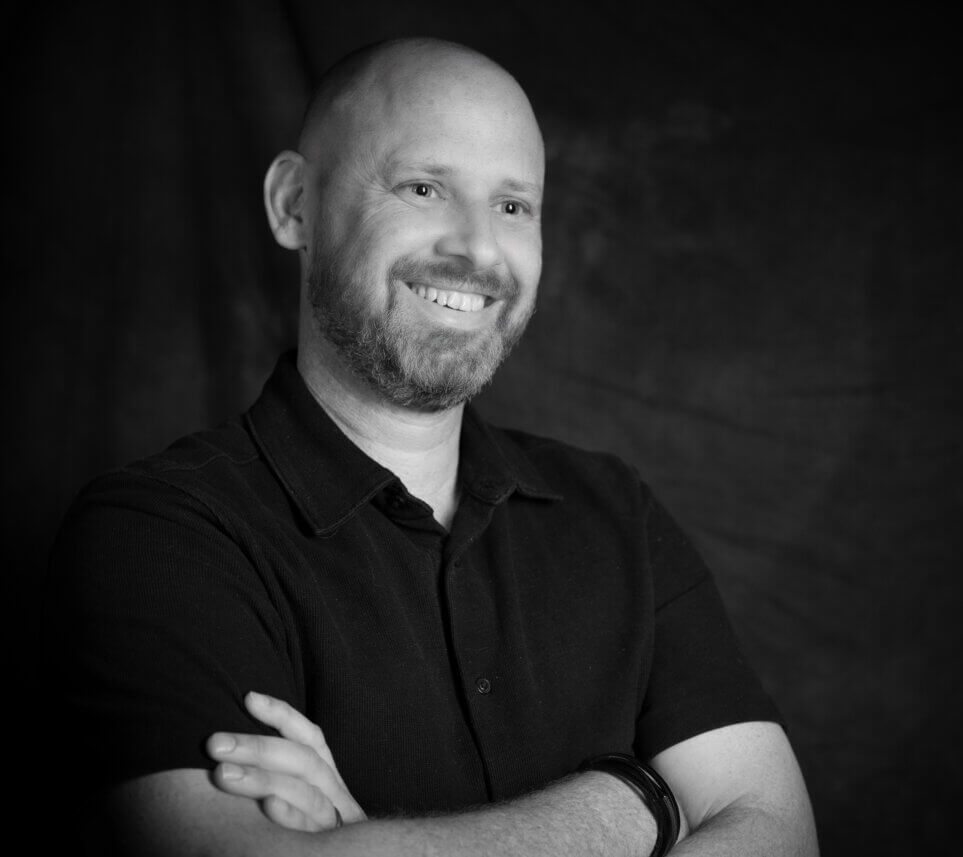
At MYA we value the sharpened insight a fresh pair of eyes brings to our practice. Ben Donaldson, our new Creative Director, has spent his first two months pressure testing our assumptions, reframing standard F&B moves, and pushing us to go further on data-led concepting and delivery. The result is faster, clearer decision making, bolder ideas grounded in operational reality, and a team energised by this conversation. Here’s Ben’s first impressions, straight from the studio.
1) Two months in, what has surprised you most about MYA’s culture and pace of delivery?
A: How open the studio is. Ideas are shared, not guarded, which makes it easy to land quickly. The pace is fast, but the collaboration keeps it focused and enjoyable. That mix is why ambitious briefs feel achievable.
2) Where have you already made a tangible creative change that clients or teams can feel?
A: We’ve reframed some of the “standard” F&B moves, pushing for clarity on what adds real operator value. The result is tighter concepting, better brief control, and sharper discussions with clients about how design drives performance.
3) How do you balance bold ideas with operational reality on live, busy environments?
A: Purpose first. If an idea can’t show a clear operational benefit, we hold on it. That mindset ensures bold ideas are grounded in operational reality, especially in live and busy environments. By weighing creativity against practicality, we can introduce innovations that enhance the experience without disrupting day-to-day operations.
4) What does “good” look like in 12 months for our creative output, and how will you measure it?
A: Raising the bar, consistently. More distinctive concepts, cleaner technical delivery, and visible growth in team confidence and craft. We’ll measure it through client feedback, repeat work, stronger KPIs on performance, and the progression of our people.
5) Which project so far best captures the MYA approach to visitor experience as a strategic asset?
A: A recent coffee roastery for a national museum. We’ve taken a simple production function and turned it front-of-house, using data, narrative, and operational insight to create a visitor draw that will lift revenue, insert distinctiveness and brand equity.
6) Where should we be braver across education, defence, heritage, and international?
A: I’m still investigating that, and the honest answer is that it depends on context. My leaning is to run live tests with clear targets on spend per head, queue time, waste, and energy, then scale what proves out. Likely moves include bringing production into view, shortening routes with micro-formats, and specifying lower-energy kit to ensure it works
7) How are you using data and audience insight to sharpen concept decisions, not just validate them?
A: We bring insight in at the start. Behaviour patterns, dwell time, spend and expectations shape the concept, so we place creative effort where it will move the dial. Validation then confirms direction rather than rescuing it.
8) One myth about creativity in hospitality and FM you’d retire, and why.
A: That creativity lives only front-of-house. Back-of-house is where many gains are made: fabrication design, area flexibility, sightlines, safety, energy. Technical understanding is a creative tool, and it directly improves guest experience and margins.
9) Collaboration check: what do you need more of from consultants, ops, and client teams to move faster?
A: Early certainty on fundamentals: early coordination to achieve the correct F&B footprint, electrical, ventilation, drainage, and service strategy. Clear foundations cut rework and let us channel energy into impact, not fixes.
10) One small practice or ritual every MYA project team should adopt now.
A: Treat sustainability as core specification. Research and select equipment and materials for performance, efficiency, longevity, and carbon reduction. Make it routine and the gains compound across every project.
Ben Donaldson, Creative Director